Petrol garage: 15 litres a minute lost underground
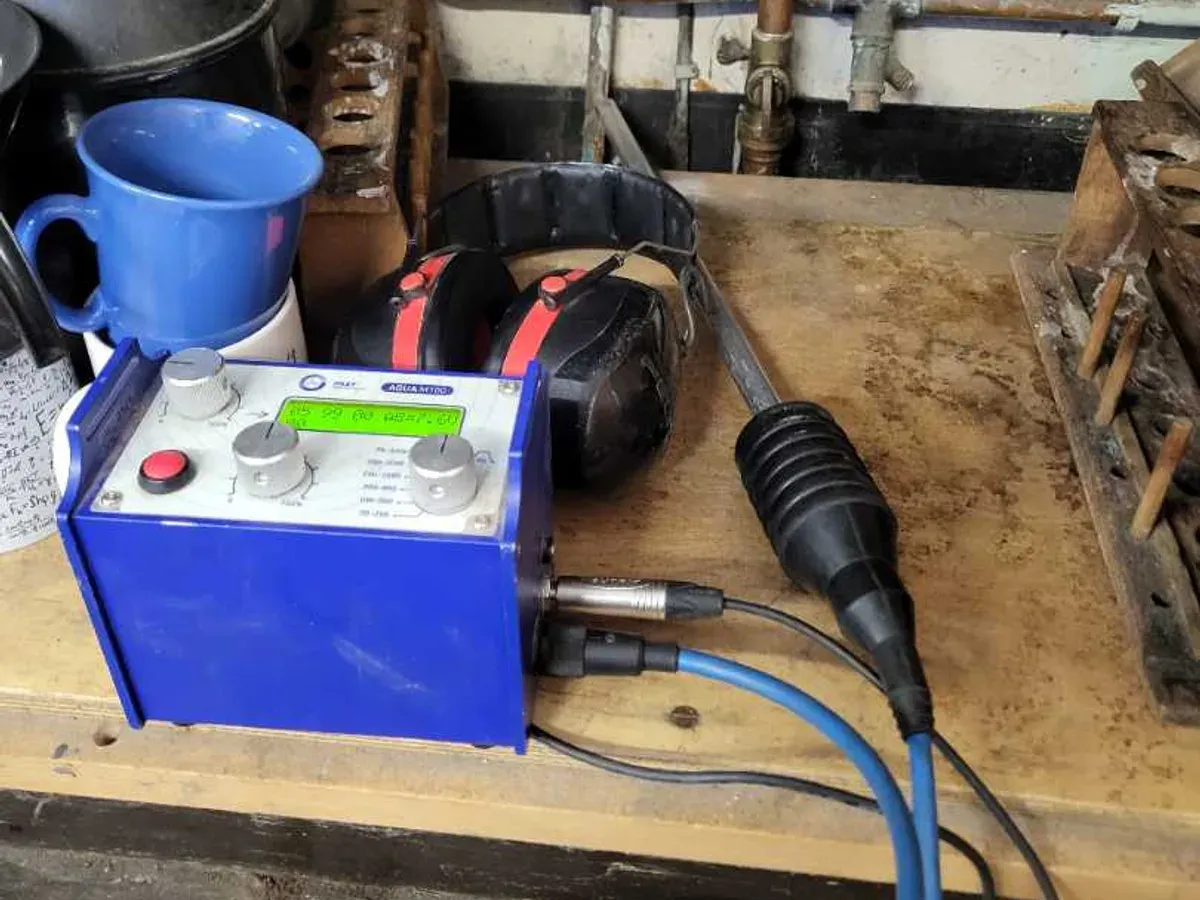
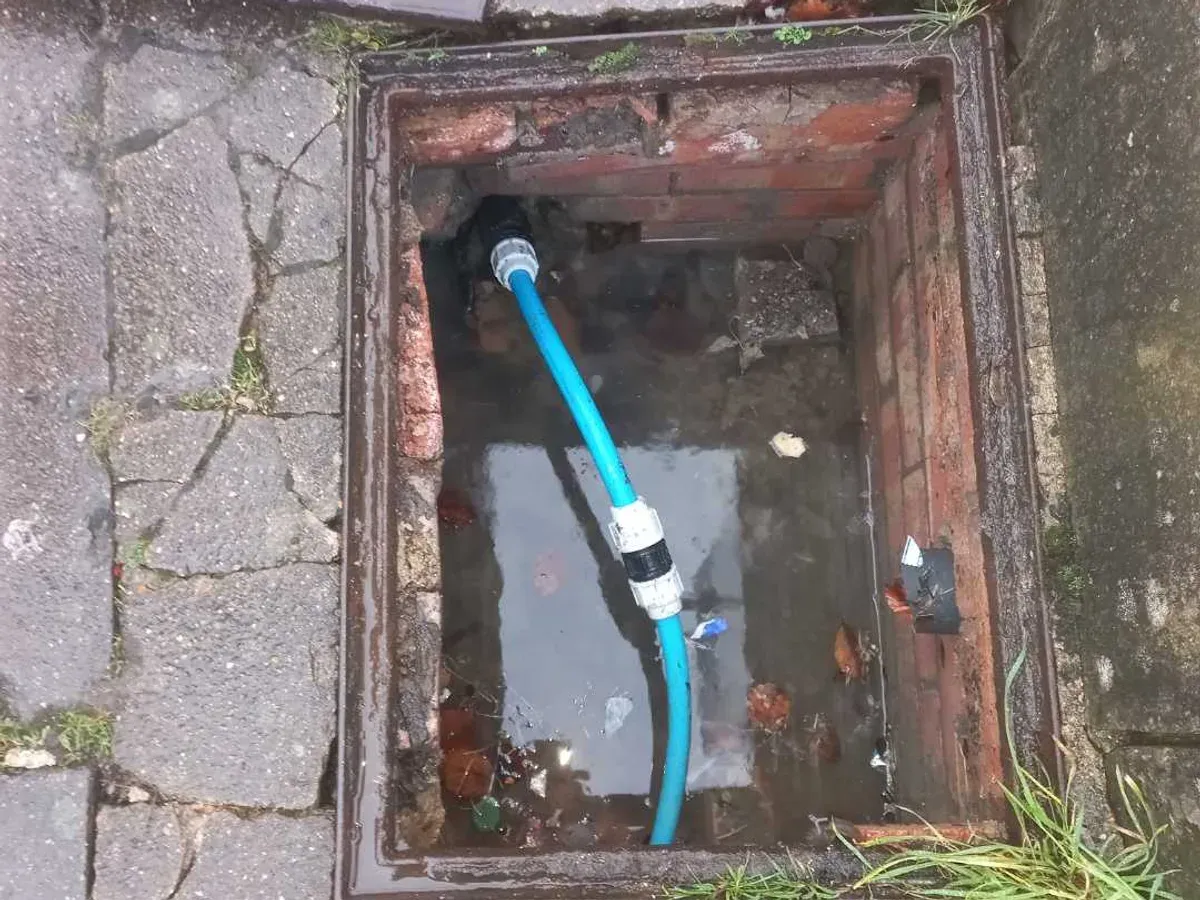
The meter kept moving with every outlet shut. Tracer gas led to a flooded chamber where several mains leaks were repaired.
ADI investigates hidden water leaks in Buckinghamshire’s commercial buildings, from offices in Milton Keynes to business premises in Aylesbury and High Wycombe. Tell us about rising consumption, heating pressure loss or recurring damp so we can plan the right survey.
Start with the symptoms and the system involved. The survey scope should reflect how your building uses water.
A leak between the meter and a building can go unnoticed beneath a yard or access road. The investigation takes account of branches to other units, normal water use and the points where pipework can be reached.
Water mains investigationsRepeated pressure loss or water appearing on the floor below needs a systematic check. Suitable circuits can be isolated and tested to narrow the search through heating loops, service risers and ceiling voids.
Heating and plant room leaksWater after a busy shift may have a different cause from staining after rain. ADI investigates supply pipes, washroom leaks and roof ingress using tests suited to the affected part of the building.
Roof and building ingress surveysGive the postcode, building use and symptoms. Meter readings, pressure records and photographs help the office scope the visit and discuss a quotation and availability.
Identify who can open plant rooms and affected units. Share pipe plans, induction requirements and any restrictions on water or heating isolation. ADI supplies a risk assessment and method statement (RAMS) before commercial testing starts.
The engineer checks the symptoms and selects suitable equipment. Separating supplies and comparing readings helps distinguish a hidden pipe leak from other sources of water.
The written report and photographs give your facilities team a record to share with the repair contractor or insurer. Agree repair options separately; access, materials and time affect what is possible.
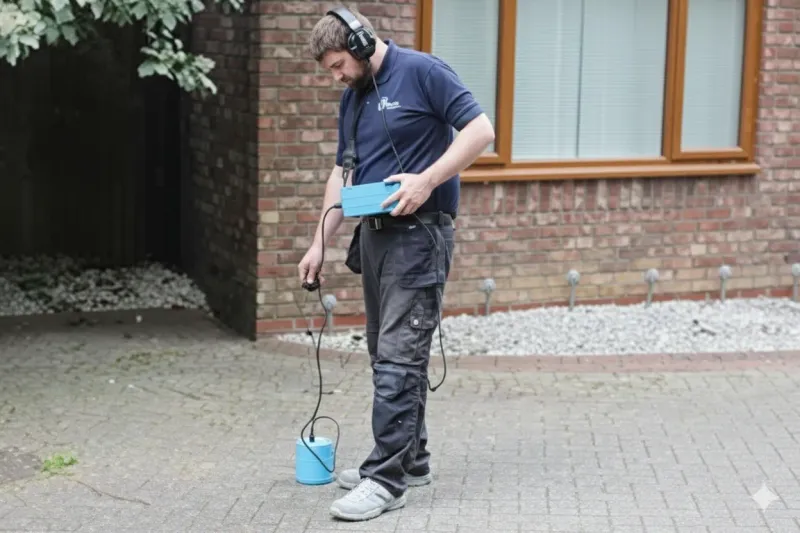
The building and pipework determine the equipment. Background machinery, floor finishes and access points can affect the tests, so a survey may combine several methods.
We cover commercial premises throughout Buckinghamshire, including these towns and their surrounding areas.
The building’s use matters as much as the leak location. These are examples of survey situations, not a list of local clients.
For facilities teams dealing with wet ceiling tiles, riser leaks or shared supplies, a useful starting point is a record of the affected rooms and who controls each part of the system.
Buried mains, long heating runs and background machinery can complicate a search. Discuss safe access to yards, working areas and available isolation points when booking.
Leaks can affect kitchens, washrooms and rooms that remain in use throughout the day. Explain critical water services and any safeguarding or access arrangements so the survey can be scoped appropriately.
Three ADI investigations from Bedfordshire, West Yorkshire and Derbyshire, showing how different commercial water losses were investigated.
The meter kept moving with every outlet shut. Tracer gas led to a flooded chamber where several mains leaks were repaired.
A hissing classroom and saturated ground led to a leaking desk-tap supply. The school chose to cap the branch rather than excavate.
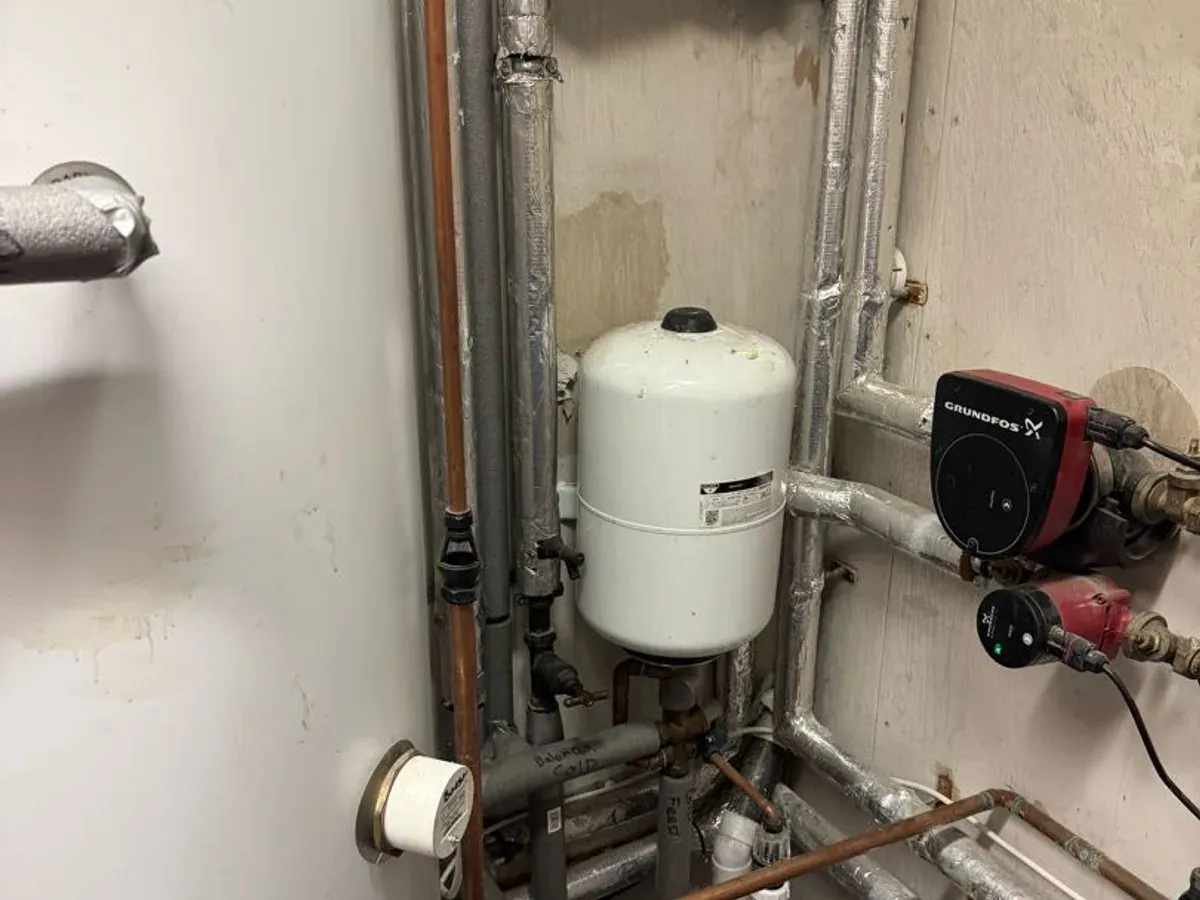
The meter showed continuous consumption. Testing found a faulty urinal flush control and dripping fixtures, with no concealed pipe leak indicated.

Commercial Leak Detection, a specialist service from ADI Leak Detection. ADI started in 2011 and has more than twenty-five leak investigation engineers across England, Scotland and Wales, working in offices, retail premises, hotels and industrial buildings.


Review excerpt
Read the full review“When we phoned ADI the person we spoke to was helpful not pushy explained there procedure and sent a full quote.”
Review excerpt
Read the full review“He also uncovered unrelated issues which we are in the process of getting fixed. Thank you Hamaad.”
Review excerpt
Read the full review“He took his time on the hottest day of the year to explain everything to me, and ensure the leak location was correct.”
Customer review
Read the full review“Great service from Joe and Darren booked in quickly and leak all sorted will definitely use again if have any leak issues”
Yes. We use the ceremonial county boundary here, so Milton Keynes and Bletchley are included alongside places within the Buckinghamshire Council area. The town list is illustrative; contact the office with your postcode even if your location is not named.
Discuss your operating hours and critical services with the office before booking. Some tests need water or heating isolation, and access to occupied rooms may be required. Availability and the proposed arrangements need to be agreed for your site.
Tell the office which buildings share the meter and arrange access with the relevant occupiers or managing agent. Water used elsewhere on the supply can affect the readings. The findings can help identify the affected pipework, but they do not determine lease responsibilities.
It shows water passing through the meter. Automatic equipment, stored-water systems and other users on a shared supply can also explain movement. Record the readings and known use; do not shut off essential services just to carry out a check.
Specialist equipment helps narrow the search before opening a surface. An access opening may still be needed for inspection or repair. What is possible depends on the construction, pipe route and access restrictions.
ADI provides a written report with findings and photographs. It can be shared with your repair contractor or insurer. Check any insurer approval requirements before booking; the survey does not guarantee insurance cover. Ask separately about available pipe repairs and reinstatement.
Have the Buckinghamshire site address, symptoms and access details ready. Call ADI to discuss the survey scope, cost and current availability, including any restrictions on water or heating interruptions.